
A while back I was able to really understand and see firsthand the true connection between energy and our own bodies. I attended an exposition, entitled Bodies, the exhibition.
It was a magnificent display of our own human body and the intricacies that exist within. I must admit some of the displays were quite revealing and others were just simply fascinating.
There are many displays on hand, but one in particular made an indelible impression on the way that I view the human body. It was a display that showed the cardiovascular system, central nervous system (see video below, forward to 1:44 minute) , and respiratory system.
(In the video below (run time: 9:35 minutes), famous forensic pathologist Cyril Wecht, narrates a tour of the amazing “Bodies” exhibit at the Carnegie Science Center in Pittsburgh, Pennsylvania.)
Upon first glance, it appeared to look like a circuit board of sorts with wires stemming out similar to something you would see in the roots of the plant. It was at this moment I really understood that our own bodies are electrically and energetically charged systems.
Having the incredible privilege to see it firsthand was quite breathtaking because the visual display is unquestionably the best method for demonstrating the importance of energy in our own body.
I began to notice all the different ways that energy shows up in and around us.
For example, in our own bodies we have something called a pH balance the concept of pH was first introduced by Danish chemist Søren Peder Lauritz Sørensen at the Carlsberg Laboratory in 1909.
It is unknown what the exact definition of p is. The h stands for the amount of hydrogen ions there are. The more hydrogen ions the more acid the thing being measure is. The pH scale, which measures how acidic or alkaline something is, runs from 0 to 14.
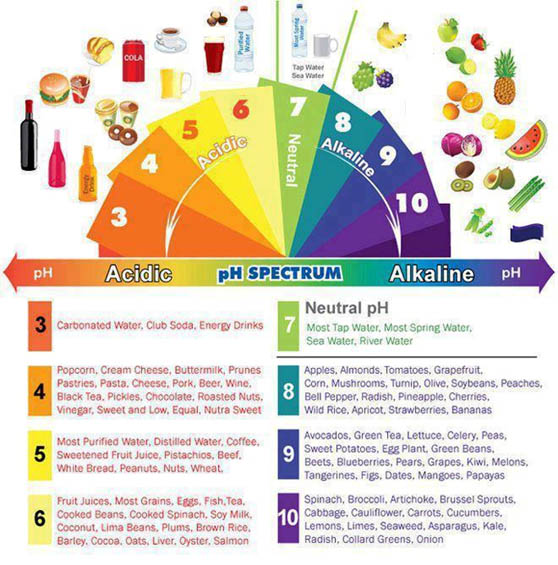
For human beings and optimum pH balance is one which is slightly more alkaline. Anything less than 7 is acidic and anything over 7 is alkaline.
There are many things that can affect pH balance such as stress, nutrition, environment, and even exercise.
The most common culprits are stress and nutrition.
In managing the daily stress of life, I wrote an article on the real benefits of meditation. This is one of the best ways to help minimize stress that we deal with on an ongoing basis.
As for nutrition, I will cover how what we eat can effect our PH balance.
When we eat foods that consists of animal products our body requires more acid to break down and digest the nutrients and as a result our body becomes more acidic.
Foods such as fruit and vegetables in general tend to move the body in a more alkaline environment. In general the majority of people are more acidic than alkaline, and a lot of it has to do with the lifestyle choices they make.
In our quest for fame and fortune we have neglected the most important thing that can actually contribute to our inner wealth and riches, our health. It doesn’t matter how rich and wealthy you are or how many cars and homes and trinkets you own.
If your health goes, that’s it you’re done. So many people are striving for to make a buck. They think that money will solve their problems. Money is just energy.
It is an agreement between two or more people to do something. That’s it. Nothing more. And yet we compromise our well-being, and eventually our health to the point where we are faced with a life or death situation.
The choices you make now, will determine the quality of life you will have in the future. And the quality of your life is in direct proportion to the level of vitality and energy you have.
We are all not created equal, I realize that, yet we all have one thing in common, 24 hours. No one on this planet has more or less time than that. We are all given 24 hours a day to with it as we wish, some prefer to use their time wisely and others may not.
“You are what you eat.”
“What you eat makes your body and your health depends on the food you eat.”
I have examined more than 300,000 people’s stomachs and intestines for 35 years and realize that our health depends largely on our dietary life. And from my experiences I would like to teach you healthy, dietary habits to help you enjoy your life!
– Hiromi Shinya, M.D.
Pioneer of the modern colonoscopic techniques
As I began to research more about the important role that pH has in the human body I began to see the similarities between conventional electricity and our own bodies.
Just like electricity has positive and negative charges or ions so to does the human body. Taking a measure of your own pH balance is something that you can easily do right now check the state of your health and well-being.
One of the popular forms for measuring one’s pH, is through one’s urine. The pH test consists of a thin strip of paper that can be easily purchased at a pharmacy or local health food store. It’s an inexpensive and simple test that you can do.
According to author Raymond Francis, in his book, Never Be Sick Again,
“You typically want to measure the pH of your first morning urine before eating. It’s a good indicator of the level of pH in yourselves and can be used to monitor future levels as you work to normalize your pH balance. Morning urine tests should range from 6.5 to 7.5. If Reagan’s fall below 6.5 your to acidic and a pH over 8.0 is a serious matter. Fatigue is often reflected in the acidic pH.”
Quick Chart of Alkaline and Acidic Foods
It is important that your daily dietary intake of food naturally acts to balance your body pH. To maintain health, the diet should consist of at least 60% alkaline forming foods and at most 40% acid forming foods. To restore health, the diet should consist of 80% alkaline forming foods and 20% acid forming foods.
The quick chart rates food from High Alkaline to High Acid. Following this quick reference chart is a more detailed chart of specific foods and their alkaline or acidic rating.
|
FOOD CATEGORY |
High Alkaline |
Alkaline |
Low Alkaline |
Low Acid |
Acid |
High Acid |
|
BEANS, VEGETABLES, LEGUMES |
Vegetable Juices, Parsley, Raw Spinach, Broccoli, Celery, Garlic, Barley Grass |
Carrots, Green Beans, Lima Beans, Beets, Lettuce, Zucchini, Carob |
Squash, Asparagus, Rhubarb, Fresh Corn, Mushrooms, Onions, Cabbage, Peas, Cauliflower, Turnip, Beetroot, Potato, Olives, Soybeans, Tofu |
Sweet Potato, Cooked Spinach, Kidney Beans |
Pinto Beans, Navy Beans |
Pickled Vegetables |
|
FRUIT |
Dried Figs, Raisins |
Dates, Blackcurrant, Grapes, Papaya, Kiwi, Berries, Apples, Pears |
Coconut, Sour Cherries, Tomatos, Oranges, Cherries, Pineapple, Peaches, Avocados, Grapefruit, Mangoes, Strawberries, Papayas, Lemons, Watermelon, Limes |
Blueberries, Cranberries, Bananas, Plums, Processed Fruit Juices |
Canned Fruit |
|
|
GRAINS, CEREALS |
|
|
Amaranth, Lentils, Sweetcorn, Wild Rice, Quinoa, Millet, Buckwheat |
Rye Bread, Whole Grain Bread, Oats, Brown Rice |
White Rice, White Bread, Pastries, Biscuits, Pasta |
|
|
MEAT |
|
|
|
Liver, Oysters, Organ Meat |
Fish, Turkey, Chicken, Lamb |
Beef, Pork, Veal, Shellfish, Canned Tuna & Sardines |
|
EGGS & DAIRY |
|
Breast Milk |
Soy Cheese, Soy Milk, Goat Milk, Goat Cheese, Buttermilk, Whey |
Whole Milk, Butter, Yogurt, Cottage Cheese, Cream, Ice Cream |
Eggs, Camembert, Hard Cheese |
Parmesan, Processed Cheese |
|
NUTS & SEEDS |
|
Hazelnuts, Almonds |
Chestnuts, Brazils, Coconut |
Pumpkin, Sesame, Sunflower Seeds |
Pecans, Cashews, Pistachios |
Peanuts, Walnuts |
|
OILS |
Flax Seed Oil, Olive Oil, Canola Oil |
Corn Oil, Sunflower Oil, Margarine, Lard |
|
|
||
|
BEVERAGES |
Herb Teas, Lemon Water |
Green Tea |
Ginger Tea |
Cocoa |
Wine, Soda/Pop |
Tea (black), Coffee, Beer, Liquor |
|
SWEETENERS, CONDIMENTS |
Stevia |
Maple Syrup, Rice Syrup |
Raw Honey, Raw Sugar |
White Sugar, Processed Honey |
Milk Chocolate, Brown Sugar, Molasses, Jam, Ketchup, Mayonnaise, Mustard, Vinegar |
Artificial Sweetener |
